Fast Fashion
Rethinking Trends, Reducing Waste
Welcome to Fast Fashion, where we delve into the world of trendy clothing that's leaving a lasting mark on our environment. Join us as we uncover the hidden costs of rapid fashion cycles and champion a future of sustainable style.
What Exactly is Fast Fashion?
Fast fashion refers to the rapid production and consumption of trendy and affordable clothing, designed to quickly match the latest fashion trends. Typically, fast fashion items are produced using cheap labor and materials, resulting in low-cost garments that are often discarded after only a few wears. This cycle of fast-changing trends has given rise to significant environmental and societal challenges, with textile waste being a prominent issue.
Environmental Impact of Fast Fashion
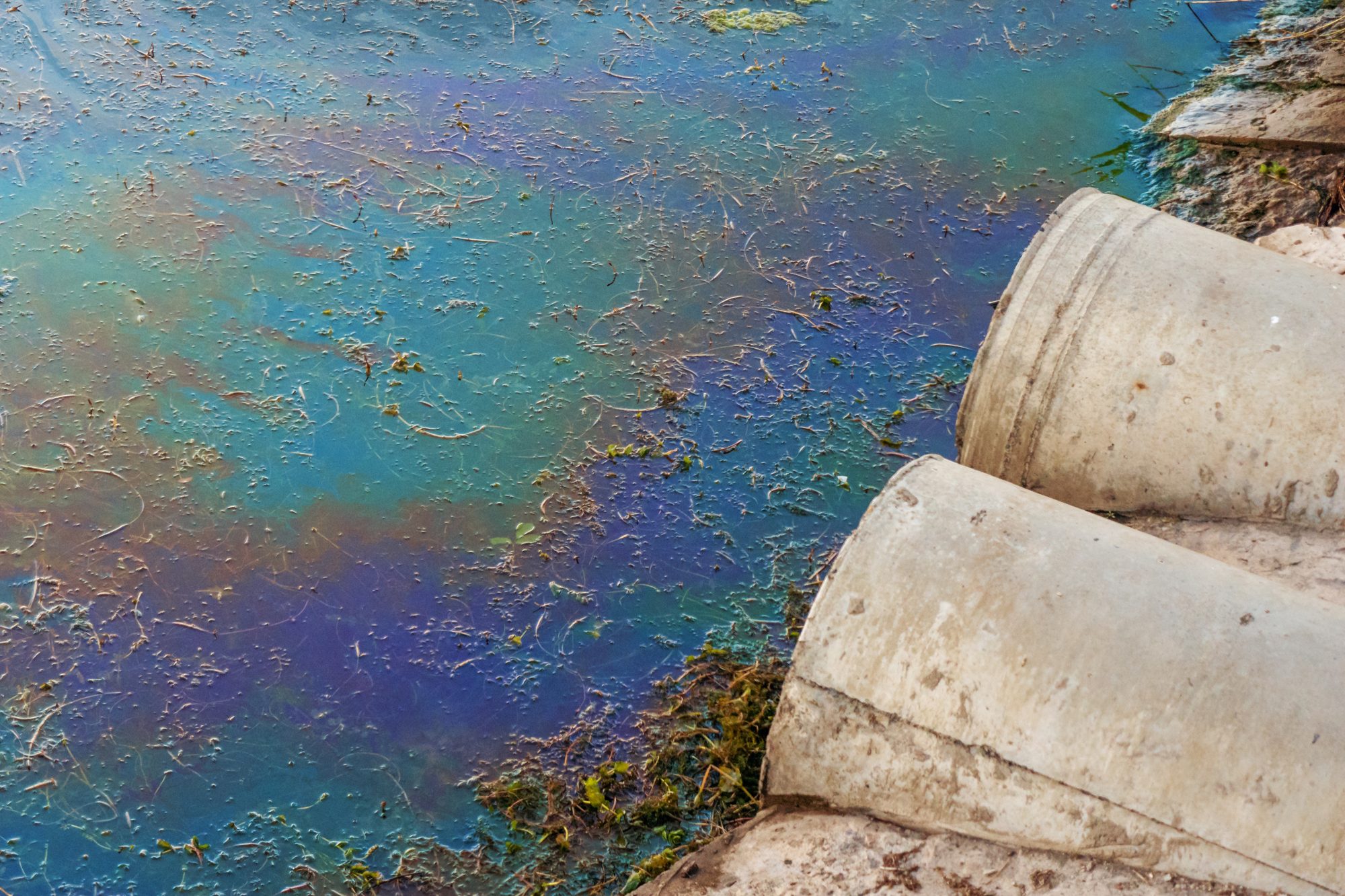
Fast fashion's high water usage for dyeing, washing, and processing textiles contributes to water scarcity and pollution.
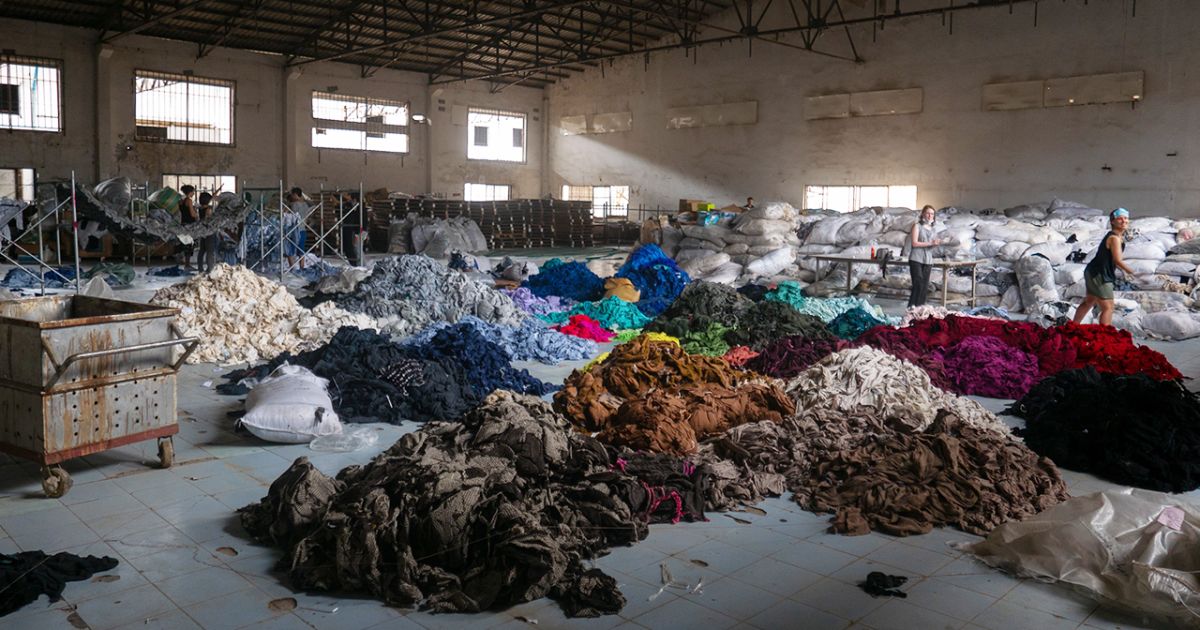
The production, transportation, and disposal of fast fashion items contribute to greenhouse gas emissions, contributing to climate change.
Fast fashion's low-quality garments often have a short lifespan and end up in landfills, contributing to the textile waste problem.
The production of textiles involves the use of various chemicals, including pesticides, dyes, and finishing agents, which can harm ecosystems and human health.
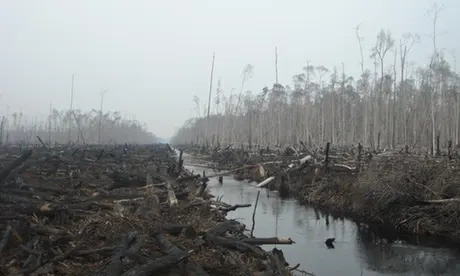
The demand for raw materials like cotton can contribute to deforestation if not sustainably managed.
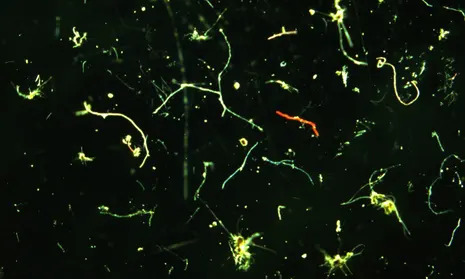
Synthetic fibers used in fast fashion shed microplastics into water bodies during washing, impacting aquatic life and potentially entering the food chain.
Explore Sustainable Fashion
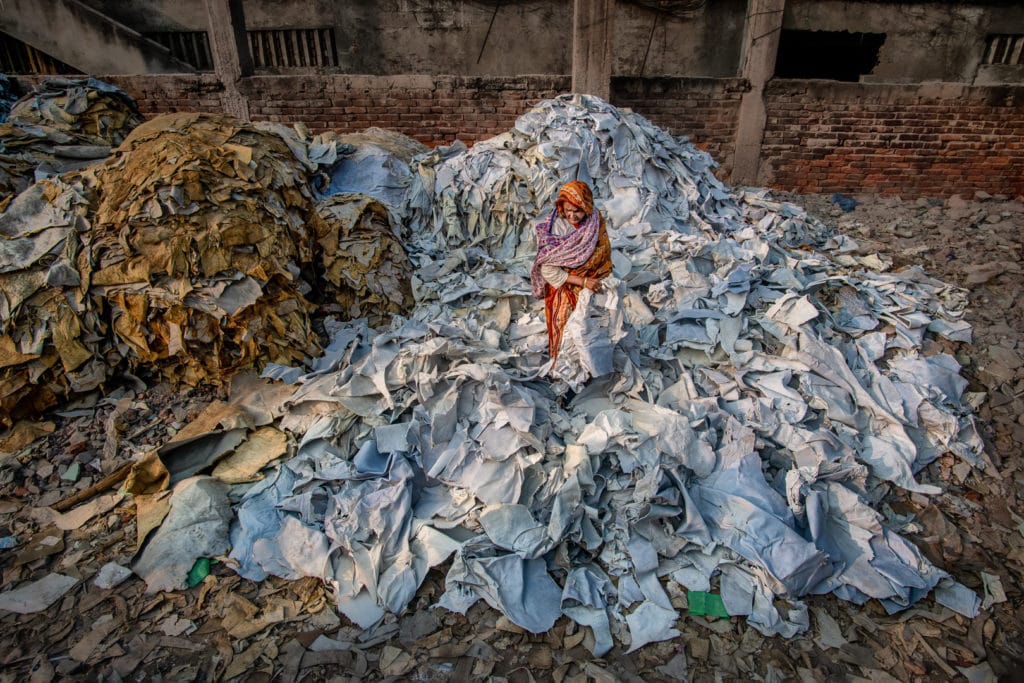
The fast fashion industry generates massive amounts of textile waste, contributing to pollution and resource depletion. According to estimates from the Ellen MacArthur Foundation, the fashion sector generated 92 million tons of textile waste in 2015 alone. Fast fashion's short production cycles lead to increased demand for raw materials like water and electricity, accelerating resource depletion. The dyeing and finishing of textiles also release harmful chemicals into water bodies, affecting aquatic ecosystems and human health.
Make a Pledge to Reduce Textile Waste
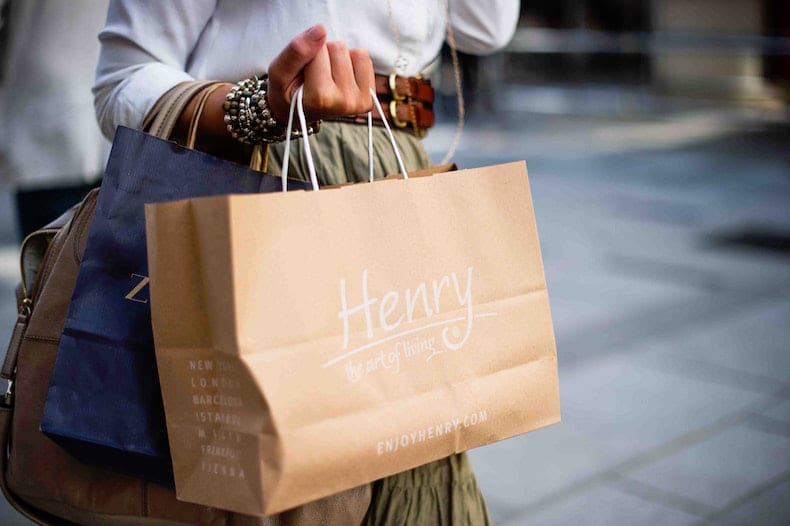
Minimal Impact
Commit to buying fewer fast fashion items and opting for sustainable alternatives.
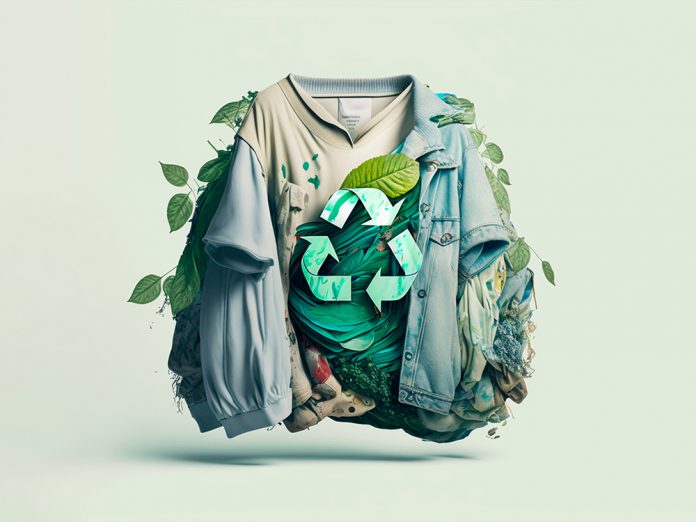
Sustainable Choices
Opt for quality over quantity, support ethical brands, and prioritize clothing repair and upcycling.
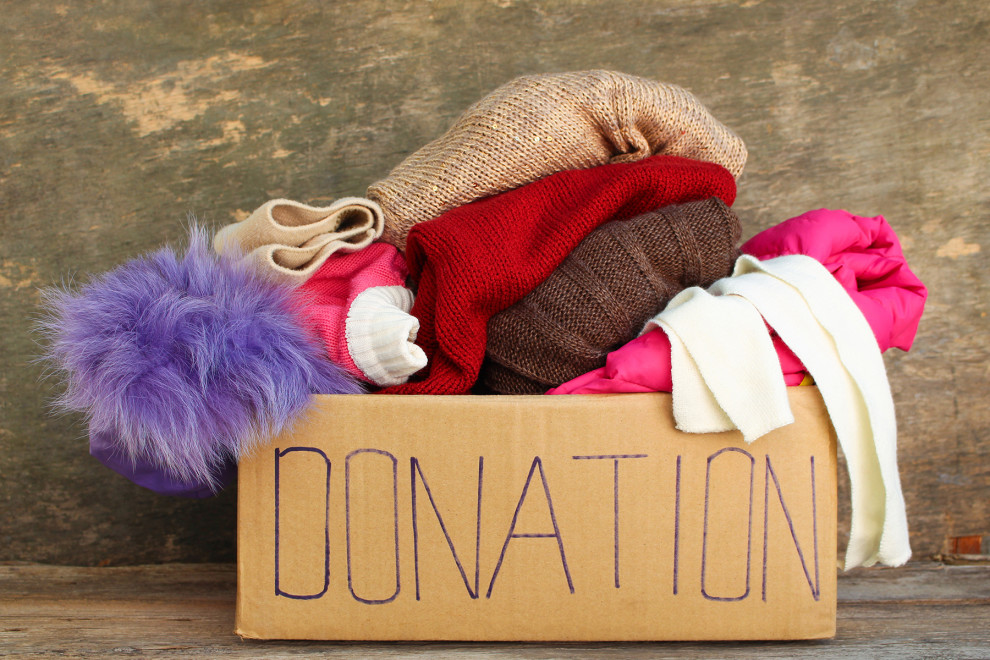
Zero Waste Hero
Commit to reducing textile waste to zero by repurposing, donating, and composting clothing.